We often hear that water is our most precious resource, but for many of us living in modern cities, it’s a resource we take for granted. We turn the tap, and it’s there. We flush the toilet, and it’s gone. However, a few months ago, I decided to look at my utility bills through the lens of Facts & Figures, and what I saw was staggering.
According to the EPA (Environmental Protection Agency), the average American family uses more than 300 gallons of water per day at home. Roughly 70% of this use occurs indoors. As someone who advocates for sustainable living on FactsFigure, I realized I was part of the problem. My personal “Water Audit” revealed that I was wasting gallons of treated, drinkable water every single day through mindlessness.
I spent the last 90 days re-engineering my daily routine. By adopting 12 smart, data-backed habits, I managed to reduce my household water consumption by 35%, saving money and, more importantly, a vital resource. Here is my personal guide to reducing water waste without sacrificing your quality of life.
1. The “Cold Water Collection” Habit
How many times a day do you turn on the shower or the kitchen tap and wait 30–60 seconds for the water to get hot?
The Fact: In most homes, between 1 to 3 gallons of perfectly clean water flows down the drain while waiting for the heater to kick in.
My Personal Change: I started keeping a simple 2-gallon bucket in my shower. While waiting for the hot water, I collect the “warm-up” water.
The ROI: I use this collected water to water my indoor plants and my “Backyard Grocery Store” vegetables. I’ve effectively eliminated the need to use a hose for my garden during the spring.
2. Upgrading to High-Efficiency Aerators
This is perhaps the cheapest and most effective “figure” in water conservation.
The Fact: Standard older faucets can use up to 2.2 gallons per minute (gpm).
My Personal Change: I spent $15 at the hardware store to buy high-efficiency aerators for my kitchen and bathroom sinks. These reduce flow to 1.0 or 1.5 gpm.
The Result: You won’t even notice the difference in pressure because the aerator mixes air into the stream, but you are cutting your water usage by 50% every time you wash your hands or dishes.
3. The “Navy Shower” Challenge
We all love a long, steaming shower, but the data is clear: the shower is the third-largest water-user in a typical home.
The Fact: A standard showerhead uses 2.5 gpm. A 10-minute shower consumes 25 gallons.
My Personal Change: I adopted the “Navy Shower” technique: Water on to get wet, water off to lather up/shampoo, water on to rinse.
The Figures: My showers now take roughly 3 minutes of water flow instead of 10. That is a saving of 17.5 gallons per shower. Over a year, that is 6,387 gallons saved by just one person.
4. Fixing the “Silent Leak” (The Toilet Test)
A leaking toilet is a “silent killer” of your water bill.
The Fact: A leaky toilet can waste up to 200 gallons of water a day without you even hearing it.
My Personal Experiment: I put a few drops of food coloring into my toilet tank and waited 20 minutes without flushing. When I saw blue water in the bowl, I knew the flapper valve was leaking.
The Fix: A new flapper costs $5 and takes 2 minutes to install. It’s the highest ROI repair you can make in your home.
5. Full Loads Only: The Appliance Rule
One of the biggest mistakes I made was running the dishwasher or washing machine when they were only half full.
The Fact: An average washing machine uses 15 to 45 gallons per load, regardless of how many clothes are inside.
My Personal Change: I made it a strict rule in my house: No full load, no start button.
The Logic: By waiting until the machines are full, I reduced my weekly loads from 5 down to 3. That’s a direct saving of roughly 60 gallons per week.
6. Rethinking the Dishwasher vs. Hand Washing Debate
There is a common myth that hand washing dishes saves water. The figures say otherwise.
The Fact: Modern Energy Star-certified dishwashers use as little as 3.5 gallons per cycle. Hand washing the same amount of dishes can use up to 20 gallons if you leave the tap running.
My Personal Change: I stopped pre-rinsing dishes. Modern detergents and machines are designed to strip away food particles. Just scrape the food into the compost and let the machine do the work.
7. The “Bowl Method” for Washing Produce
When I started my “Backyard Grocery Store,” I found myself washing a lot of fresh veggies. I used to let the tap run over them for minutes.
The Fact: A running tap can waste 2 gallons per minute.
My Personal Change: I now fill a large bowl with water and wash all my produce in the bowl first.
The Double Win: Once finished, that “veggie water” (which contains tiny amounts of soil and nutrients) goes straight into my garden. It’s the ultimate cycle of reuse.
8. Installing a Dual-Flush Converter
Older toilets are incredibly inefficient, using up to 3.5 to 5 gallons per flush.
The Fact: You don’t always need a full flush for liquid waste.
My Personal Change: Instead of buying a whole new $300 toilet, I bought a dual-flush converter kit for $30. It gives you two buttons: one for a “half-flush” and one for a “full-flush.”
The Figure: This reduced my toilet water usage by roughly 40% immediately.
9. Mulching Your Garden (The “Moisture Lock”)
Watering the garden is where we lose the most water to evaporation, especially during summer.
The Fact: Uncovered soil loses moisture rapidly to the sun and wind.
My Personal Change: I applied a 3-inch layer of organic mulch (wood chips and straw) to all my garden beds.
The Result: I went from watering my garden every day to once every three days. The soil stays cool, the plants are happier, and my water meter barely moves.
10. Turning the Tap Off While Brushing
It sounds like a cliché, but the numbers don’t lie.
The Fact: Brushing your teeth takes about 2 minutes. Leaving the water running wastes 4 to 8 gallons.
The Figure: If you do this twice a day, you are wasting up to 240 gallons a month.
My Realization: This is the easiest habit to change. It costs $0 and takes zero extra effort. It’s pure, mindless waste that we can all stop today.
11. Using a Rain Barrel (The “Free Water” Fact)
Why pay for treated city water to grow your grass or flowers?
The Fact: One inch of rain falling on a 1,000-square-foot roof yields 623 gallons of water.
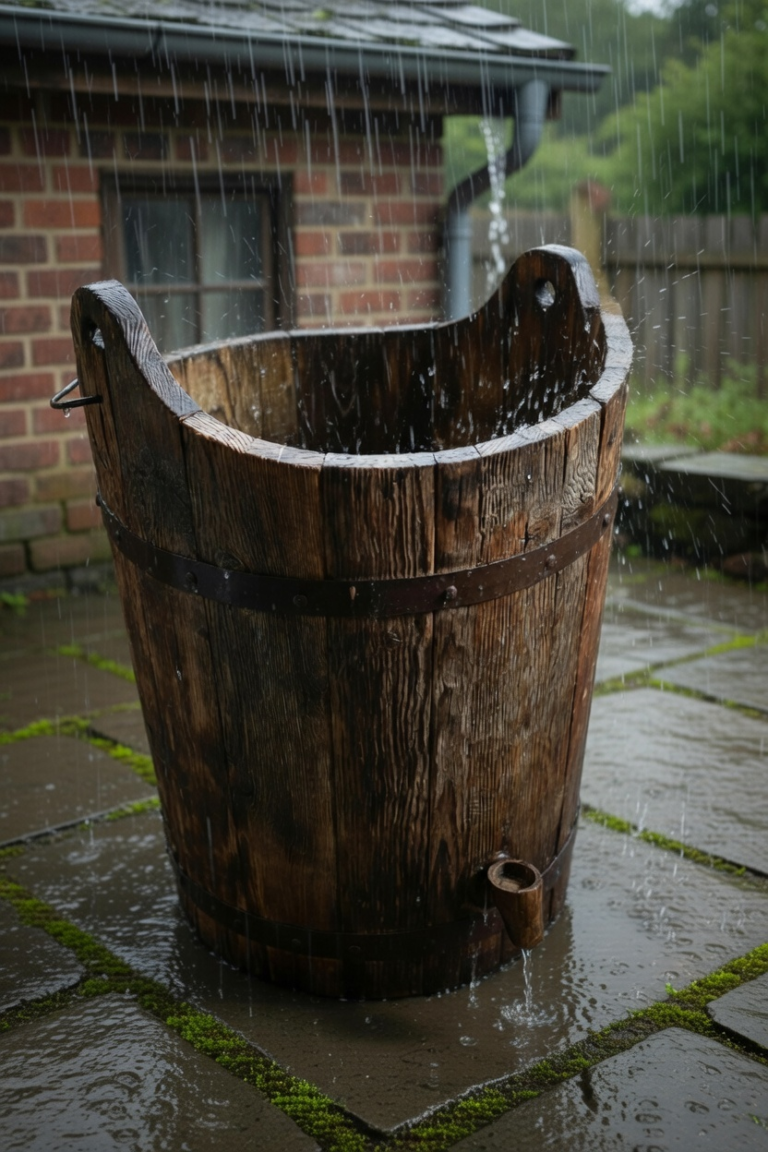
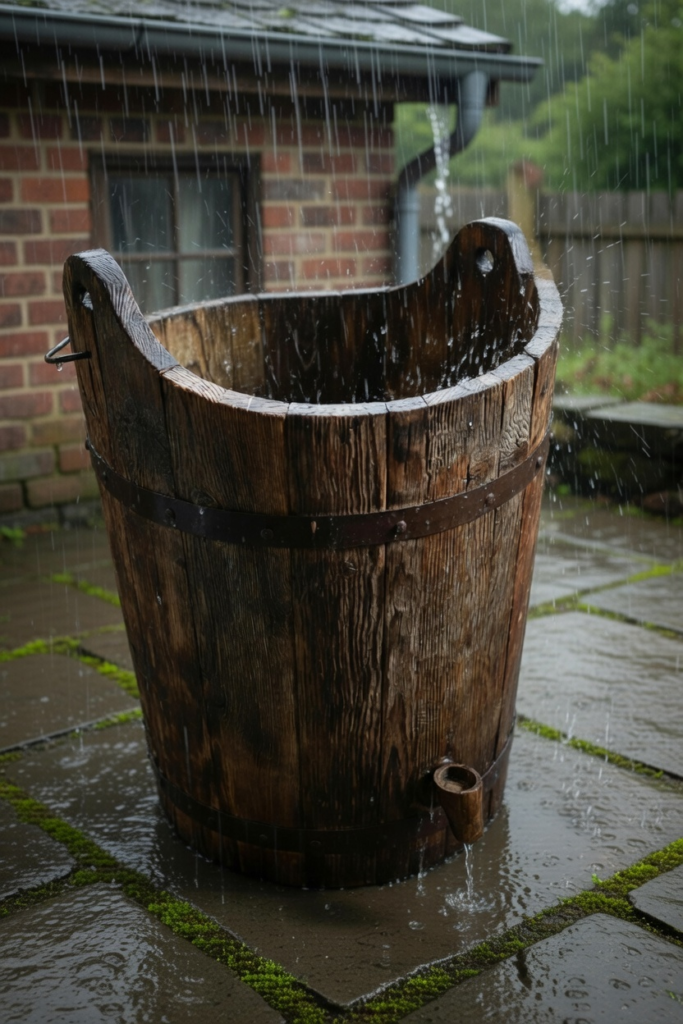
My Personal Experiment: I installed a 50-gallon rain barrel at the end of my downspout.
The Experience: Even a light rain fills the barrel in no time. I use this “soft” water for my outdoor plants, which actually prefer it over chlorinated tap water.
12. “Blue Water” Awareness: The Power of the Bill
The most effective way I reduced water waste was by simply tracking the figures.
My Personal Change: I created a simple spreadsheet to track my monthly water consumption. Seeing the bar graph go down became a game.
The Fact: Research shows that people who monitor their resource usage reduce it by 15% simply because they are aware of it.
Conclusion: Awareness is the first step toward sustainability.
Why Water Conservation is Good for Your Wallet
Many people ask me, “If water is so cheap, why bother?” In many regions, water prices are rising faster than the rate of inflation. Furthermore, saving hot water saves energy (electricity or gas), which is a double win for your finances.
My Reflection: 90 Days Later
After three months of living with these 12 habits, I don’t feel like I’m “sacrificing” anything. My clothes are just as clean, my showers are just as refreshing, and my garden is greener than ever.
The biggest change wasn’t in my plumbing—it was in my mindset. I no longer view water as an infinite commodity, but as a precious “loan” from nature that I must use wisely and return cleanly.
Reducing water waste isn’t about grand gestures; it’s about the small figures—the half-gallon here, the two-minute shorter shower there. When added up across a year, these small habits create a massive wave of positive change.
What is one habit you can change today? Start with the “Toothbrush Challenge”—it’s the easiest way to begin your own sustainable journey.