
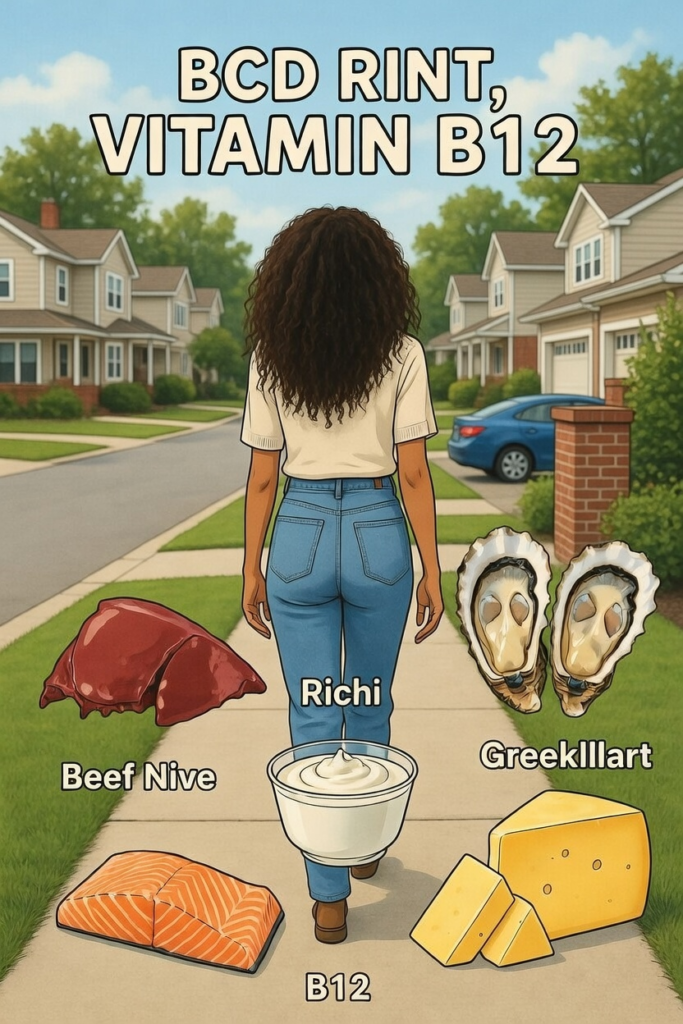
Vitamin B12 is an essential nutrient that helps form red blood cells (supporting healthy blood) and maintains nerve function and brain health. One large egg (about 50g) provides roughly 0.6-1.1 mcg of vitamin B12 (around 25-45% of the daily recommended intake for adults). Here are 5 natural foods that contain significantly more vitamin B12 per typical serving (approximate values from USDA FoodData Central).
Daily recommendation: About 2.4 mcg for most adults (slightly higher during pregnancy/breastfeeding).
Beef Liver (Cooked)
Just 3 oz (85g) delivers 59-70 mcg of vitamin B12 – over 50-70 times more than one egg!
One of the richest natural sources. Enjoy it pan-fried or grilled 1-2 times per week.
Oysters (Cooked or Raw)
About 6 medium oysters (85-100g) provide 16-30 mcg – roughly 15-30 times more than an egg.
Also rich in zinc and iron for blood support. Steam, grill, or enjoy raw.
Salmon (Cooked)
A 3 oz fillet (85g) offers 4-5 mcg – about 4-8 times more than an egg.
Loaded with omega-3s for brain health. Bake, grill, or pan-sear for best results.
Plain Greek Yogurt (Nonfat or Low-Fat)
One cup (170-200g) contains 1.3-2.0 mcg – roughly 2-3 times more than an egg (depending on brand).
High in protein and probiotics. Pair with fruit or nuts for a satisfying snack.
Hard Cheeses (e.g., Cheddar, Swiss)
1 oz (28g) of cheddar provides 0.8-1.2 mcg – comparable or slightly higher than an egg; larger portions easily exceed it.
Also supplies calcium and protein. Add to salads, crackers, or sandwiches.
Tips for Getting Vitamin B12 from Food
Vitamin B12 is mainly found in animal products; vegans/vegetarians often need fortified foods or supplements (consult a doctor).
Pair with folate-rich foods (leafy greens) for better red blood cell formation.
Excess B12 is safely excreted in urine, making natural food sources generally safe.
Disclaimer: This is general nutritional information for educational purposes only, based on public USDA data. It is not medical advice or a substitute for professional guidance. Consult a healthcare provider or registered dietitian for personalized recommendations, especially if you have anemia, neurological concerns, or dietary restrictions.
Adding these foods to your meals is an easy way to support healthy blood and brain function. Try grilled salmon with greens or Greek yogurt with berries for a nutrient boost!