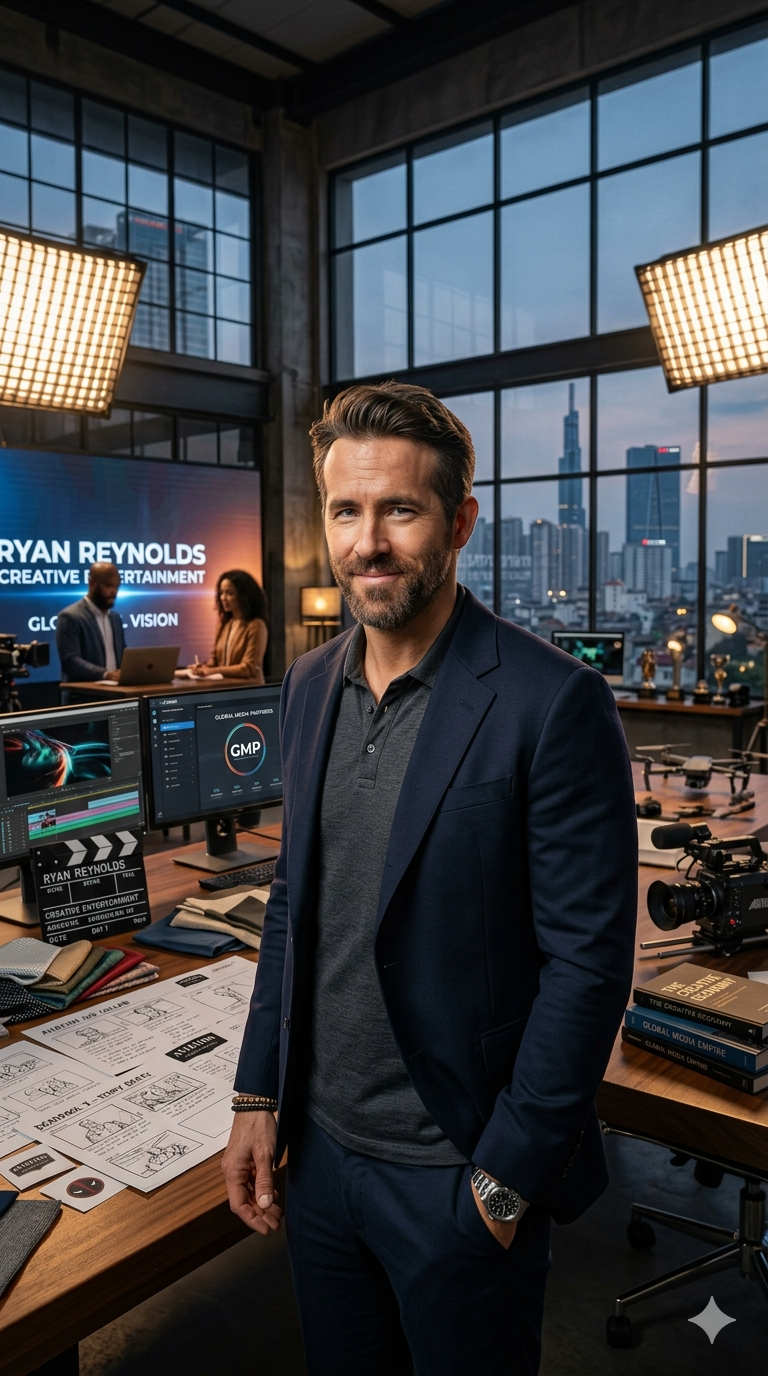
From Hollywood actor to successful entrepreneur, here’s how Ryan Reynolds used humor, storytelling, and smart branding to build one of the most recognizable business identities in entertainment.
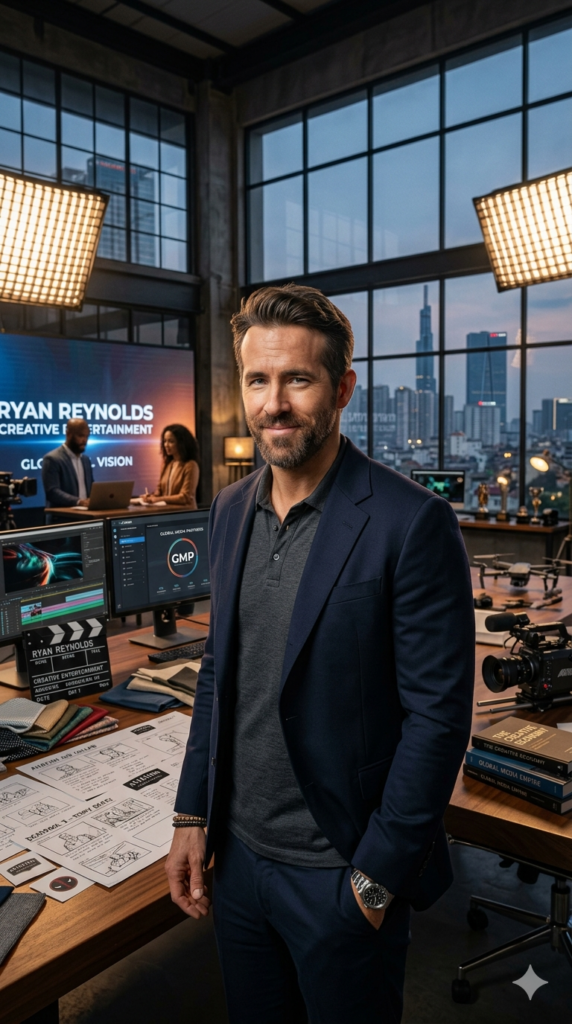
Over the past decade, Ryan Reynolds has evolved far beyond traditional Hollywood fame. While audiences originally recognized him for acting roles and blockbuster films, his influence today extends deeply into marketing, branding, entrepreneurship, and digital business culture.
In many ways, Ryan Reynolds represents a new generation of celebrity entrepreneur — one that understands how entertainment, internet culture, and modern branding can work together.
One of the biggest reasons behind his success is communication style.
Unlike traditional celebrity marketing that often feels highly polished and corporate, Ryan Reynolds built his public image around humor, self-awareness, and relatability. His online presence feels casual and entertaining rather than overly promotional.
That difference became a major advantage in the social media era.
Modern audiences are increasingly resistant to aggressive advertising. People often ignore content that feels too commercial or scripted. Ryan Reynolds understood this shift early and built marketing campaigns that feel more like entertainment than advertising.
As a result, audiences willingly engage with branded content instead of avoiding it.
This strategy became especially visible through his business ventures and production company. Many advertisements connected to his projects quickly went viral online because they blended comedy, storytelling, and internet culture in a way that felt natural.
Rather than separating entertainment and marketing, Reynolds combined them into the same experience.
That approach helped redefine modern celebrity branding.
Another important factor behind his business growth is timing. Ryan Reynolds entered the digital branding space during a period when social media platforms were becoming central to audience attention.
Instead of relying only on traditional Hollywood publicity systems, he built direct communication channels with audiences online. This allowed him to maintain visibility even outside movie releases.
In today’s creator economy, audience attention itself has become one of the most valuable business assets.
Reynolds also demonstrated strong instincts in entrepreneurship and investments. Rather than attaching his name randomly to products, he often focused on businesses that matched his communication style and public personality.

This created stronger authenticity between brand identity and audience expectations.
Many analysts believe this alignment is one reason his campaigns feel more believable than traditional celebrity endorsements.
Another interesting aspect of his strategy is adaptability. Internet humor and online culture change very quickly. However, Ryan Reynolds consistently manages to keep his branding style modern without appearing forced.
This flexibility helps his content remain shareable across different platforms and age groups.
In many ways, his career reflects how entertainment and business are merging in the digital age. Celebrities are no longer only performers — increasingly, they operate as content creators, media strategists, marketers, and entrepreneurs at the same time.
One of the biggest lessons from Ryan Reynolds’ success is that modern marketing increasingly behaves like entertainment.
Traditional advertising often interrupts audiences. Entertainment attracts them voluntarily.
By making audiences laugh or emotionally engage with content, brands can create stronger long-term relationships instead of short-term promotional attention.
Ryan Reynolds built much of his business reputation around this principle.
For entrepreneurs, creators, and digital brands, this demonstrates an important shift in consumer behavior:
people are more likely to share content they enjoy than content that simply tries to sell something.
In the internet era, attention is earned through engagement, not forced visibility.
Today, Ryan Reynolds represents more than Hollywood success. He has become a symbol of how humor, storytelling, audience understanding, and digital marketing can combine to build a highly influential business identity.
His career also reflects a larger transformation happening across modern media. As entertainment and entrepreneurship continue merging, personal branding may become just as important as traditional celebrity fame itself.