
From sold-out stadium tours to billion-dollar business influence, here’s how Taylor Swift built one of the strongest personal brands in modern entertainment.
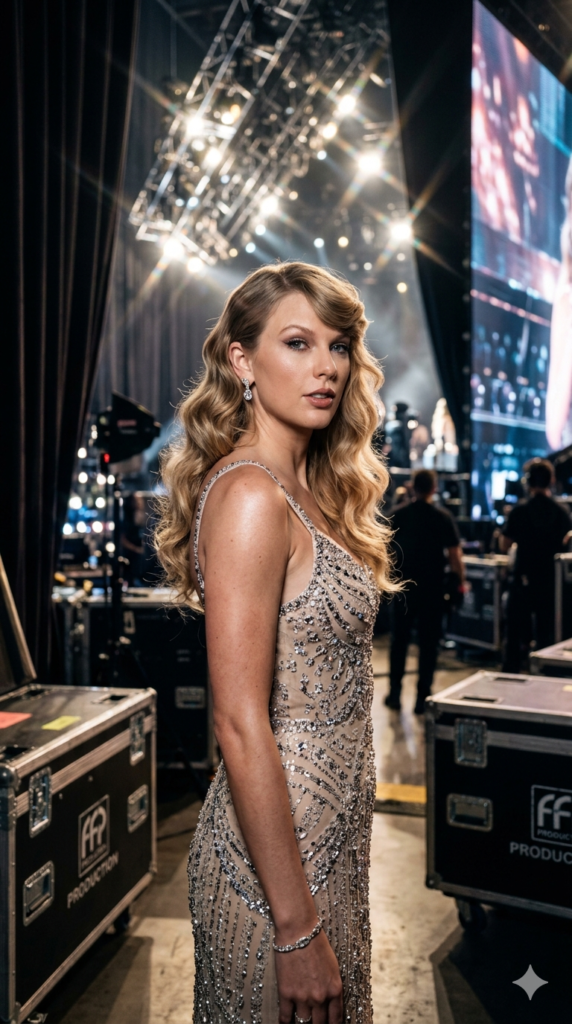
For years, Taylor Swift has been one of the most recognizable names in global entertainment. What began as a teenage country music career eventually evolved into something much larger — a business empire powered by music, branding, storytelling, and audience loyalty.
While millions of fans know her through chart-topping albums and sold-out concerts, industry experts increasingly view Taylor Swift as one of the smartest brand builders in modern entertainment.
Her success did not happen overnight.
One of the biggest reasons behind her long-term influence is her ability to evolve with her audience. Over the years, Taylor Swift successfully transitioned from country music into mainstream pop while still maintaining a loyal fan base. Instead of staying locked into a single image, she continuously adapted her music, visuals, and public identity to match different stages of her career.
That flexibility helped her remain culturally relevant for more than a decade in an industry known for rapid change.
Another major factor behind her success is storytelling. Many artists release songs, but Taylor Swift built an emotional connection with listeners through personal narratives and carefully crafted albums. Fans often feel emotionally invested in her music because her storytelling feels detailed, relatable, and authentic.
This emotional connection became one of the strongest foundations of her brand.
Over time, Taylor Swift also gained attention for her business decisions. One of the most talked-about moments in her career was her decision to re-record several older albums after disputes surrounding ownership of her master recordings. Instead of allowing the situation to damage her career, she transformed it into a powerful branding opportunity.
The “Taylor’s Version” releases became commercially successful while also strengthening her public image as an artist fighting for creative ownership.
For many younger creators and entrepreneurs, this strategy became an important lesson about intellectual property and long-term control over personal brands.
The impact of her business thinking became even more visible during the Eras Tour. The tour was not only a music event but also a massive cultural and economic phenomenon. Stadiums sold out within minutes, local businesses benefited from increased tourism, and social media became flooded with user-generated content connected to the concerts.

Few entertainers today can generate that level of global engagement.
Beyond music, Taylor Swift’s influence extends into fashion, digital culture, streaming platforms, and marketing trends. Brands and media companies closely watch her audience behavior because her fan community is considered one of the most active and loyal online.
Part of that loyalty comes from how carefully she communicates with fans. Even small details hidden in videos, album visuals, or social posts often create enormous online discussions. This strategy keeps audiences engaged between major releases and turns fans into active participants in her brand ecosystem.
One of the most impressive aspects of Taylor Swift’s career is not just popularity — it is consistency.
Many celebrities experience short periods of fame, but Taylor Swift managed to maintain strong relevance across multiple generations of fans. Her audience continues supporting albums, merchandise, streaming releases, and tours at extremely high levels.
This kind of loyalty is incredibly valuable in modern business.
For digital creators and entrepreneurs, her success demonstrates an important principle: people support brands they emotionally connect with. Strong storytelling and authentic communication often create more long-term value than viral attention alone.
Today, Taylor Swift represents far more than music success. She has become an example of how entertainment, branding, business strategy, and audience connection can work together to build a global media empire.
Her journey also reflects a larger shift happening across modern entertainment — celebrities are no longer just performers. Increasingly, they are becoming business leaders, media brands, and powerful cultural influencers at the same time.
Taylor Swift, Celebrity Business, Personal Branding, Entertainment Industry, Creator Economy, Music Business, Branding Strategy