
Sustainable Travel: How to Pack Light and Minimize Plastic Waste on Your Next AdventureThe call of the open road, the mist over a new mountain range, or the vibrant energy of a foreign city—travel is one of life’s greatest teachers. However, as global tourism rebounds, the environmental footprint we leave behind has become impossible to ignore. From overflowing landfills in paradise islands to the carbon cost of heavy luggage, our wanderlust often comes at a price.
Sustainable travel is no longer a niche trend; it is a responsibility. Two of the most impactful ways an individual traveler can contribute to a healthier planet are by packing light and eliminating single-use plastics. This guide provides a comprehensive roadmap to becoming an eco-conscious traveler without sacrificing comfort or style.
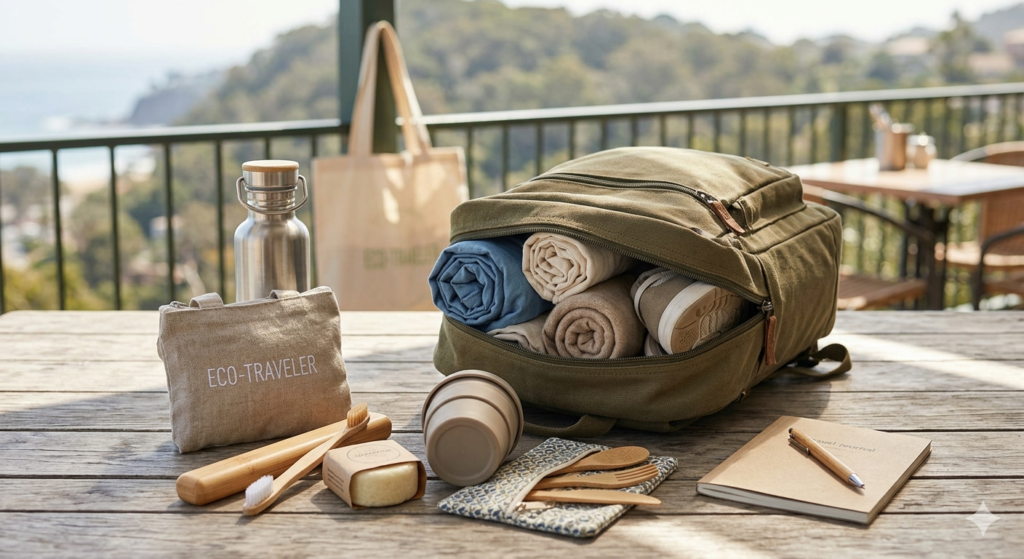
Why Packing Light is a Win for the Planet
Many travelers don’t realize that the weight of their suitcase directly correlates to their carbon footprint. Whether you travel by plane, bus, or train, more weight requires more fuel.
Fuel Efficiency: In aviation, every kilogram counts. A lighter plane burns less fuel, reducing CO2 emissions.
Mobility and Public Transit: When you carry a compact bag, you are more likely to use public transportation (trains, buses, or walking) rather than relying on private taxis, which further reduces your environmental impact.
Reduced Consumption: Packing light forces you to be intentional. It discourages the “fast fashion” mindset of buying cheap clothes for a single trip that often end up in the trash.
The Art of the Sustainable Capsule Wardrobe
The secret to packing light is the Capsule Wardrobe. The goal is to bring fewer items that can be mixed and matched to create dozens of outfits.
Choose Natural, Durable Fabrics
Opt for organic cotton, linen, hemp, or Tencel. These materials are breathable, biodegradable, and tend to stay fresh longer than synthetic polyesters. Merino wool is a traveler’s “super-fabric”—it is moisture-wicking, odor-resistant, and can be worn multiple times without washing.
The Rule of Three
A classic packing hack: Bring three of each essential item (three shirts, three pairs of socks, three sets of underwear). Wear one, wash one, and let one dry. This strategy allows you to travel indefinitely with just a carry-on.
Stick to a Color Palette
Select a base color (like navy, black, or beige) and add two or three coordinating colors. This ensures that every top works with every bottom, maximizing your outfit options.
Eliminating Plastic Waste: The Eco-Friendly Toiletry Kit
The bathroom is often where the most plastic waste is generated. Traditional travel-sized bottles are a major contributor to ocean pollution. Here is how to overhaul your kit:
Switch to Solid Toiletries
Liquid shampoos and soaps are up to 80% water and packaged in plastic. Solid bars are concentrated, last longer, and are often wrapped in compostable paper.
Shampoo and Conditioner Bars: One bar can replace up to three plastic bottles.
Solid Deodorant: Look for brands using cardboard tubes.
Toothpaste Tabs: These small tablets eliminate the need for non-recyclable plastic toothpaste tubes.
The Bamboo Transition
Replace your plastic toothbrush with a compostable bamboo version. Pair it with a silk or plant-based dental floss in a refillable glass container.
Safety Razors
Disposable plastic razors are among the most common items found in coastal cleanups. Investing in a high-quality stainless steel safety razor not only saves the planet but provides a superior shave and saves money in the long run.
The “Big Five” Essentials for a Plastic-Free Trip
To minimize waste while exploring, you need a “Zero-Waste Survival Kit” in your daypack. These five items can prevent hundreds of pieces of trash:
Reusable Water Bottle: Carry a high-quality stainless steel or glass bottle. In areas where tap water isn’t safe, use a bottle with a built-in UV purifier or a high-grade filter (like LifeStraw or Grayl) instead of buying bottled water.
Foldable Tote Bag: Always keep a lightweight cloth bag in your pocket for spontaneous market visits or grocery runs.
Portable Utensil Set: A bamboo or titanium spork and a reusable straw (glass or metal) allow you to refuse plastic cutlery at street food stalls.
Reusable Coffee Cup: If you’re a caffeine lover, a collapsible silicone cup is a game-changer for takeaway drinks.
Beeswax Wraps or Silicone Bags: Perfect for carrying snacks or leftovers without using plastic cling wrap or Ziploc bags.
Mindful Laundry: Stay Fresh Sustainably
If you pack light, you will eventually need to do laundry. Avoid the harsh chemicals found in hotel laundry services.
Eco-Friendly Detergent Sheets: These are lightweight, plastic-free strips that dissolve in water. They take up almost no space and are perfect for sink-washing.
The Scrubba Wash Bag: A portable “washing machine” bag that allows you to wash clothes effectively with minimal water.
Spot Cleaning: Sometimes a garment isn’t dirty; it just has a small spot. Spot cleaning extends the time between full washes, saving water and energy.
Choosing the Right Gear: Quality Over Quantity
Sustainability starts before you even leave home. When buying luggage or gear:
Research Brands: Look for companies with B-Corp certification or those that use recycled ocean plastics for their fabrics.
Repair, Don’t Replace: If a zipper breaks on your favorite backpack, take it to a tailor. Extending the life of an existing product is the most sustainable choice you can make.
Rent or Borrow: For specialized trips (like skiing or camping), consider renting gear at your destination rather than buying new items that you will only use once.
Leaving No Trace: Beyond the Bag
Sustainable travel is a mindset that extends beyond your luggage.
Digital Everything: Avoid printing boarding passes, hotel confirmations, or maps. Use your smartphone to keep all your documents organized.
Respect Local Waste Systems: Different countries have different recycling capabilities. If you are in a remote area with no recycling infrastructure, consider carrying your hard-to-recycle trash (like batteries or electronics) back to a city that can process them.
Support Local Artisans: Instead of buying mass-produced plastic souvenirs, look for handmade goods from local craftspeople. This supports the local economy and preserves traditional culture.
Small Changes, Global Impact
Traveling sustainably doesn’t mean you have to be a perfect environmentalist. It’s about making better choices where you can. By choosing to pack light, you reduce fuel consumption and gain freedom. By refusing single-use plastics, you protect the very landscapes you’ve traveled so far to see.
When you show up at your destination with a small bag and a conscious heart, you aren’t just a tourist; you are a guardian of the world’s beauty. Start with one change on your next trip—perhaps a shampoo bar or a reusable bottle—and watch how it transforms your travel experience for the better.